Para-Mamluk Transitional Carpet – Inspired by the Zaleski Collection
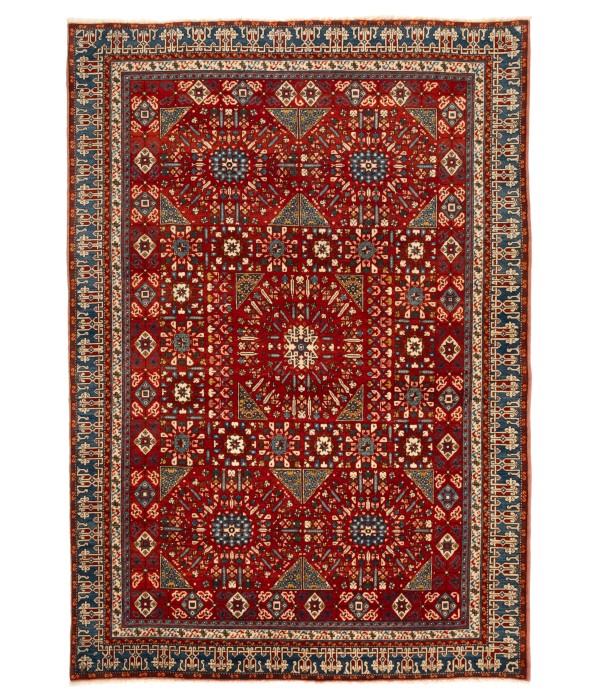


Para-Mamluk Carpet with Kufic Border – Transitional Design Inspired by the Zaleski Collection, 16th Century
Origin and Inspiration
The Para-Mamluk carpet represents a rare and refined moment in textile history, emerging during the early 16th century at the crossroads of Mamluk Egypt and Anatolian weaving traditions.
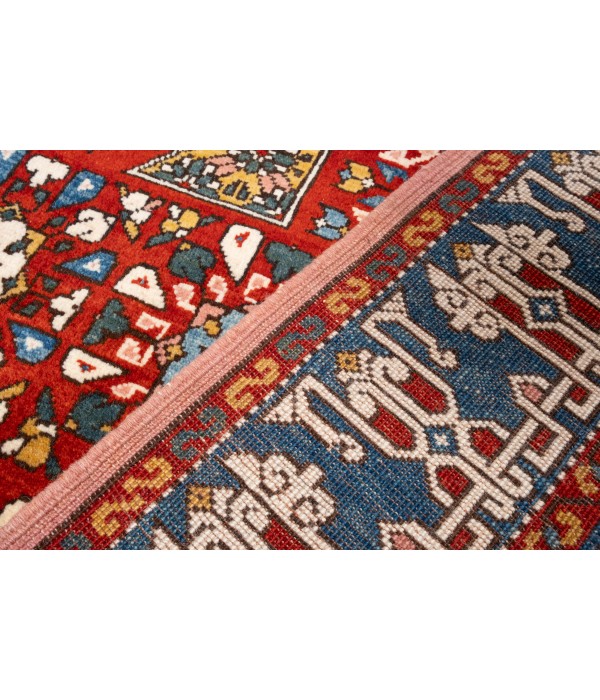
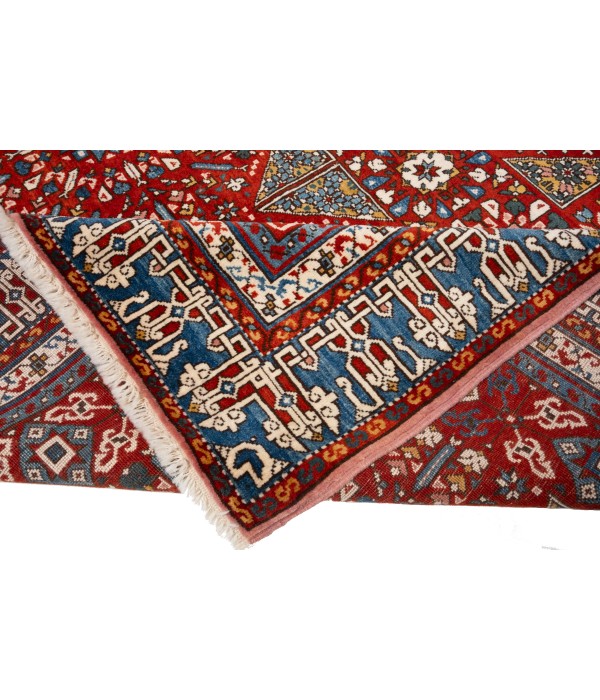
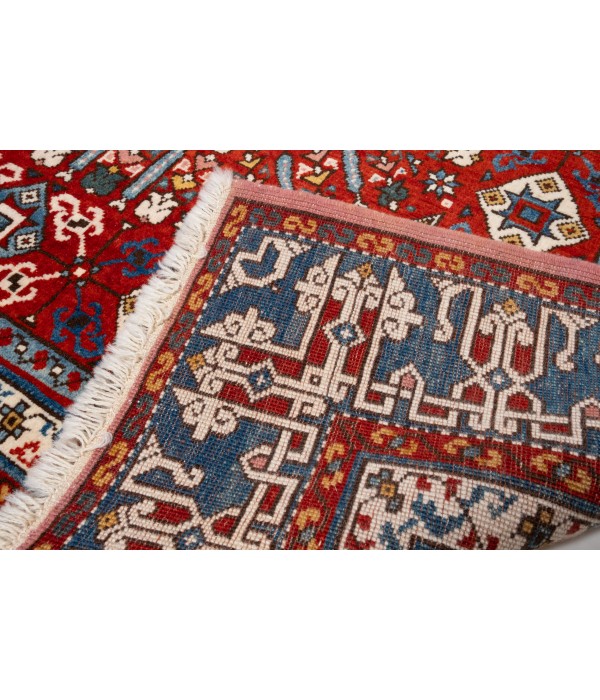
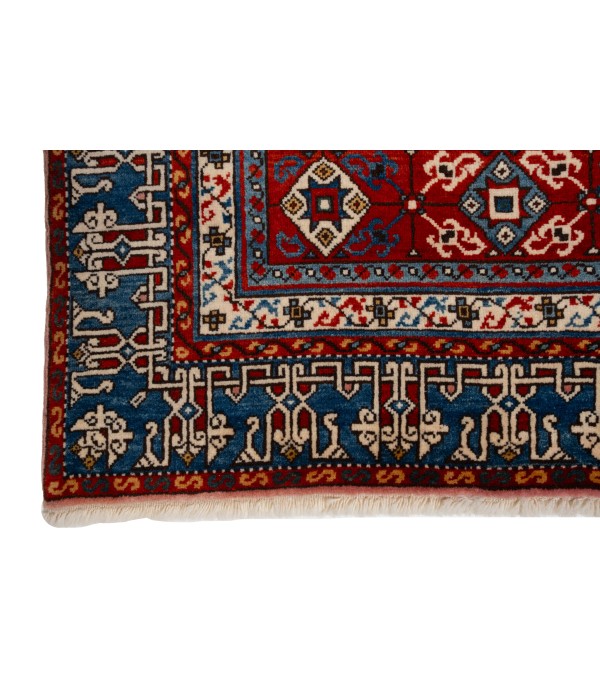
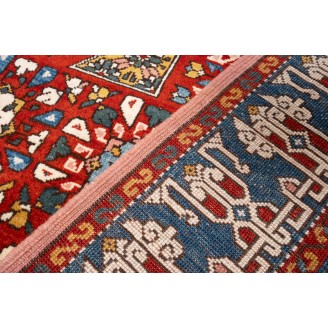
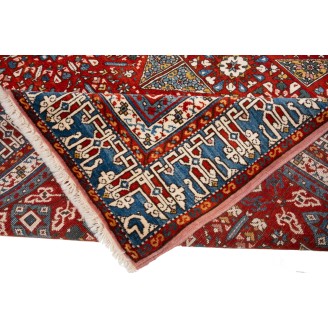
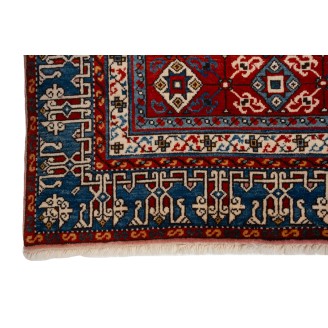
A defining feature of this piece is its Kufic-inspired border, a motif rooted in early Islamic calligraphy. This element connects the design to a much older visual language—one that appears in some of the earliest surviving Anatolian carpets and architectural ornamentation. Within the Para-Mamluk context, the presence of a Kufic border reinforces the cultural dialogue between regions, blending symbolic tradition with geometric abstraction.
Design and Pattern
✔ Central Structure:
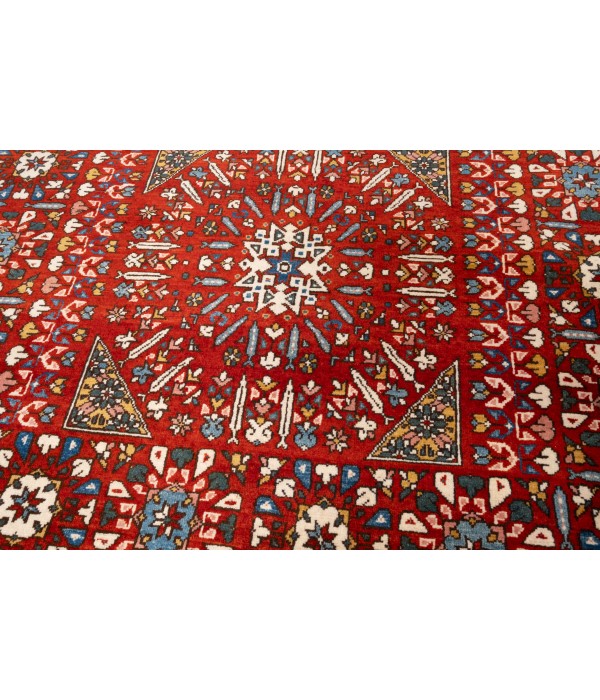
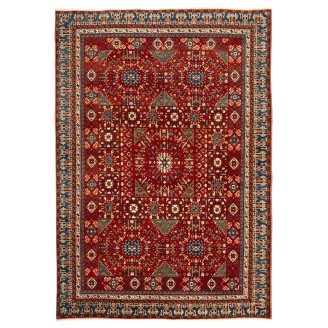
A complex medallion system forms the architectural core of the carpet
The composition expands outward with a more fluid spatial rhythm, distinguishing it from classical Mamluk rigidity
✔ Field Composition:
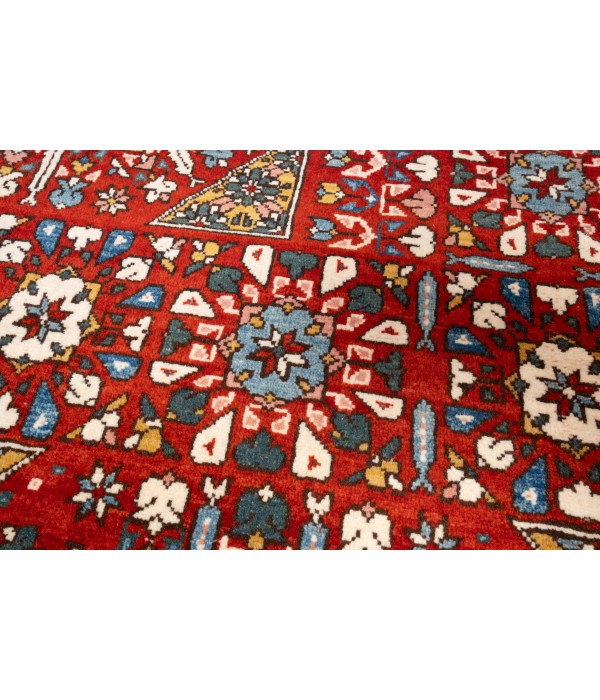
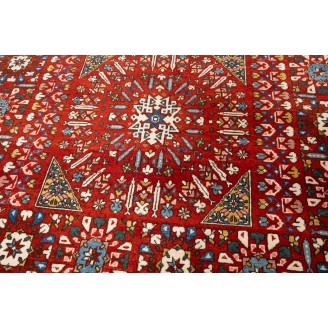
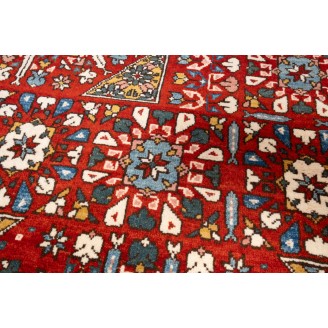
Interlocking polygons and radiating star motifs create a layered, almost kaleidoscopic field
The geometry suggests movement and transformation, characteristic of transitional Para-Mamluk works
✔ Borders:
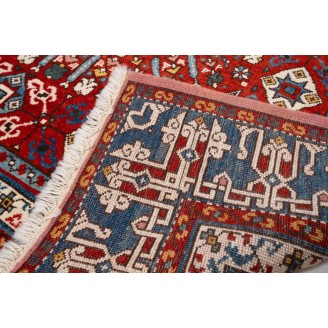
The carpet is framed by a Kufic-inspired main border, derived from early Islamic script traditions
Rather than literal calligraphy, the design abstracts the angular structure of Kufic script into a rhythmic geometric pattern
This border type is strongly associated with early Anatolian and Seljuk carpets, reinforcing the transitional identity of the piece
Guard borders provide balance while enhancing the architectural clarity of the composition
Summary
The addition of a Kufic border further deepens the historical narrative of this piece, linking it to early Islamic artistic traditions while reinforcing its Anatolian connection.
More than a reproduction, this carpet is a thoughtful interpretation of a rare transitional form—where Mamluk precision, Anatolian rhythm, and early calligraphic symbolism converge into a single, harmonious composition.
This rug boasts a harmonious blend of 8 natural colors, each derived from traditional dyeing methods: Natural Wool Color 320: Specially Washed Burnt Coffee 102: only specially washed Sunray Color 405: Henna Imperial Red 415: Madder Root Cameo Pink 436: Synthetic Dye Pine Tree 420: Henna - Indigo Cadet Blue 26: Spurge - Indigo Jericho Jade 25: Spurge - Indigo
Dimensions:
6 ft 5 in x 9 ft 2 in ( 197cm x 281cm )