



Why Handmade Rugs Are Imperfect — And Why That’s Their Value; There is a quiet misunderstanding in the modern world: that perfection is the highest form of beauty. Straight lines, identical repetition, flawless symmetry—these have become the standard by which objects are judged. And yet, when we stand before a truly great handmade rug, what moves us is not perfection. It is something else entirely. A slight irregularity, a shift in rhythm, a human presence, still visible long after the weaving is complete.
In Japan, a different sensitivity has long existed—one that does not seek perfection, but rather finds meaning in subtle irregularity, quiet aging, and the presence of time. It is within this perspective that handmade rugs can be more deeply understood.
In a world increasingly defined by precision and replication, the handmade rug offers something rare: Evidence of the human hand. Its imperfections are not weaknesses. They are the reason it holds presence, depth, and meaning. To seek perfection is to seek sameness. To accept imperfection is to recognize individuality. And in that recognition, value emerges—not only in the object, but in the way we choose to see it. A handmade rug is not perfect. It was never meant to be. It was meant to be real.— Hakan Karar
Every handmade rug begins with a person—not a machine. A weaver sits at the loom, often for months, sometimes for years. Each knot is tied individually, guided not by automation, but by memory, rhythm, and feeling. And because of this, no line can ever be perfectly straight. No pattern can ever be perfectly repeated. The hand introduces variation—subtle, unavoidable, and deeply human. What we often call “imperfection” is, in truth, the visible trace of the maker.
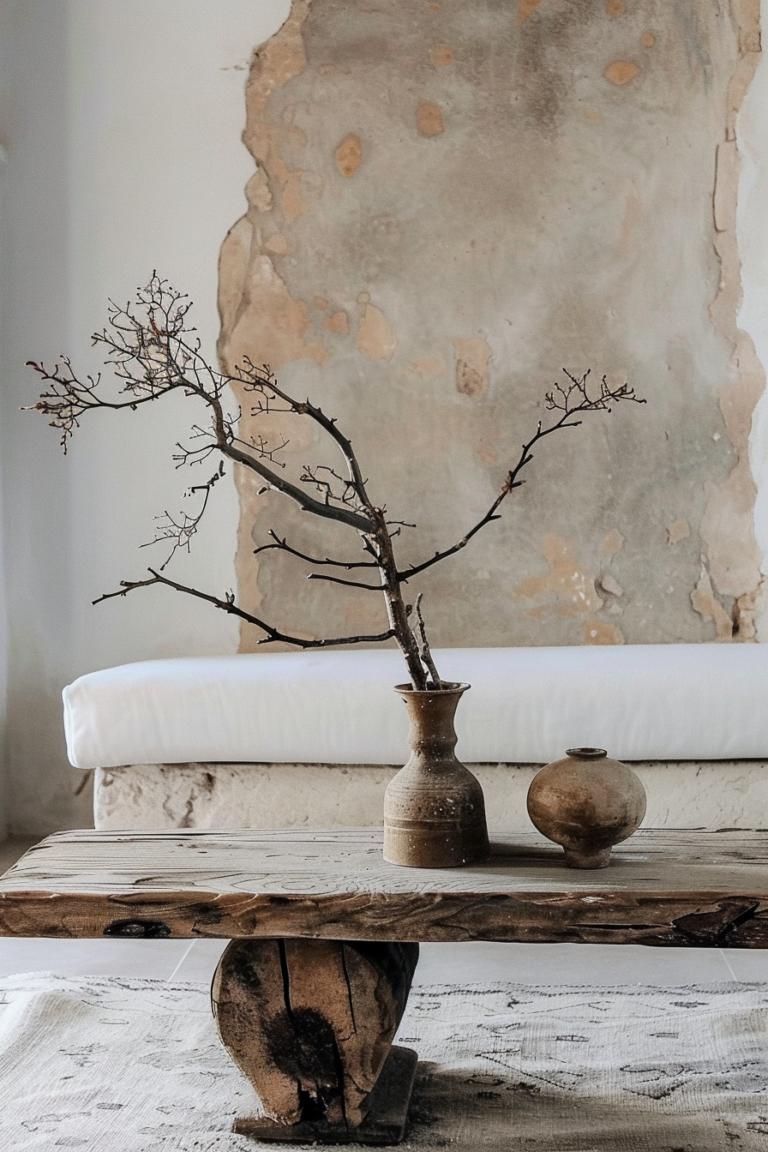 Wabisabi aestheic
Imperfection as Identity;
In a handmade rug, irregularities are not flaws. They are distinctions. A border that shifts slightly. A motif that changes as it repeats. A pattern that subtly evolves across the surface; These are not mistakes to be corrected. They are the signature of a living process. If two rugs were perfectly identical, one would question their origin. Authenticity reveals itself through variation. Color in handmade rugs is never static.
The Living Surface of Natural Color;
Natural dyes, drawn from plants, minerals, and roots, do not behave like synthetic pigments. They respond to water, temperature, time, and even to the mood of the day they were prepared. This creates what is known as abrash: A gentle variation within the same color field. A quiet movement, almost like breathing. Where a machine produces uniform color, the handmade rug carries depth—subtle shifts that give it life.
Time as a Collaborator;
A handwoven rug is not finished when it leaves the loom. Time continues the work. Colors soften, wool becomes more supple, and the surface develops a quiet patina. What might first appear as wear becomes, over the years, a form of refinement. The rug does not deteriorate—it matures. Machines produce objects that decline. Natural and organic handmade objects evolve.
A Dialogue with Japanese Aesthetics — Beyond Wabi-Sabi
The connection between handmade rugs and Japanese aesthetics is not superficial. It is philosophical.
The philosophy of 侘び寂び Wabi-Sabi: Beauty in Impermanence, offers a natural starting point. Often translated as the appreciation of imperfect beauty, it is not simply about irregularity, but about accepting the incomplete and the transient. A handmade rug, with its slight asymmetries and gentle variations in pattern, reflects this idea with quiet clarity. What might initially appear as an inconsistency reveals itself, upon closer attention, as evidence of the human hand. Each deviation is a moment of presence—an indication that the object was shaped not by a machine, but by a person working with rhythm, memory, and care.
Closely related is the concept of 用の美 Yō no Bi: The Beauty of Use. In this way of thinking, objects are not meant to remain untouched or preserved in a static state. They are meant to be lived with. A rug that softens underfoot, that absorbs light differently over time, and that gradually becomes part of its environment is not losing its value—it is fulfilling its purpose. The marks of use are not damage; they are a continuation of the object’s life.
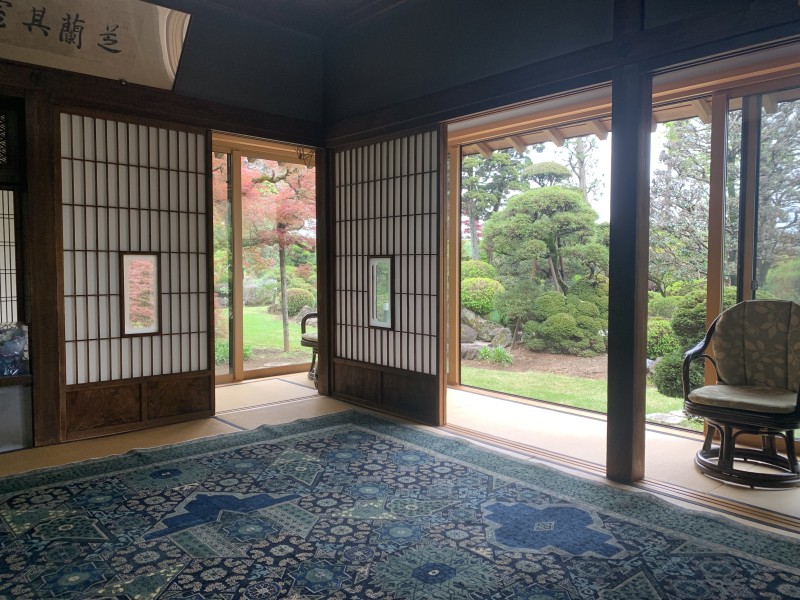
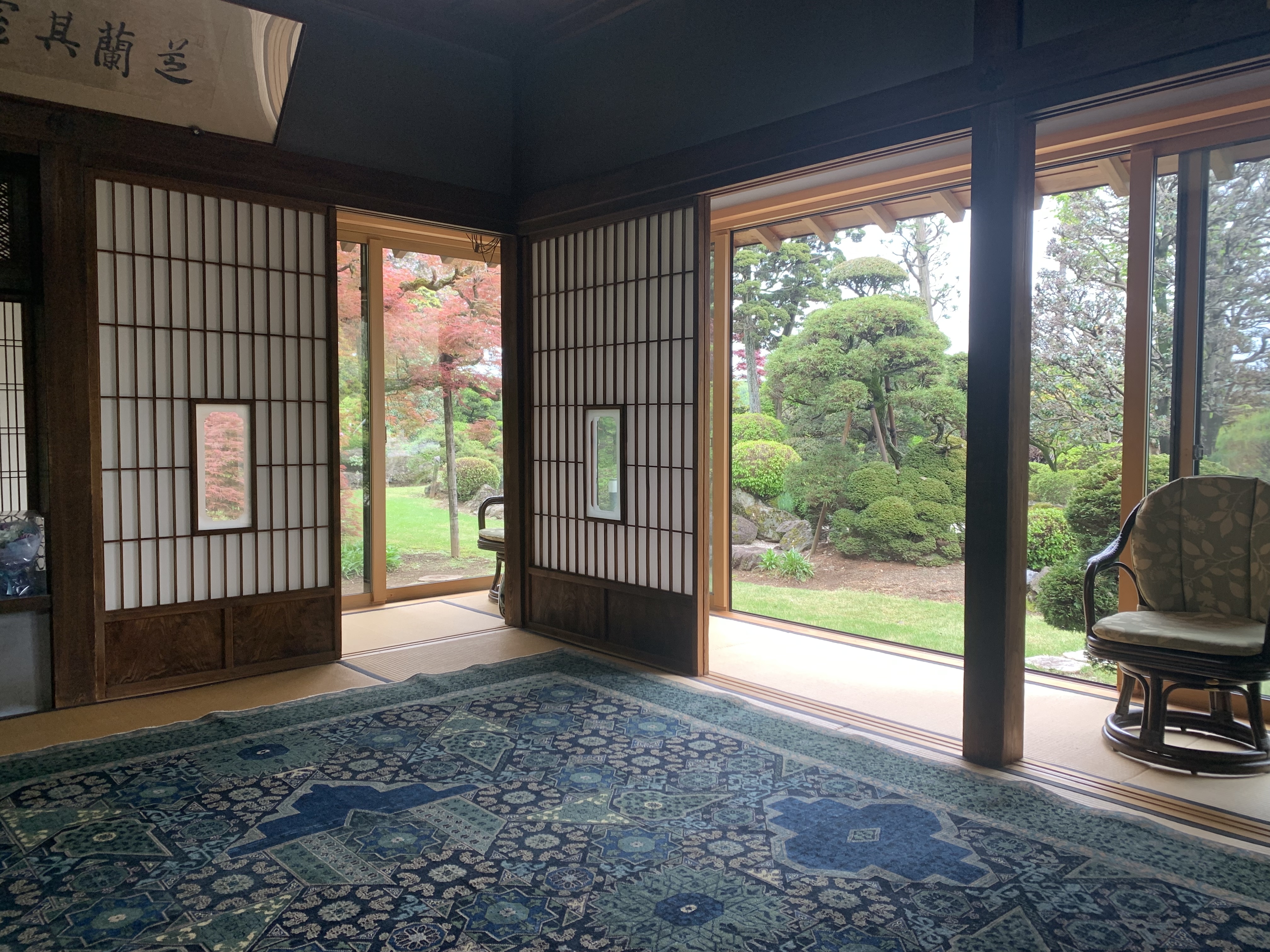 Mamluk rug in a traditional Japanese interior
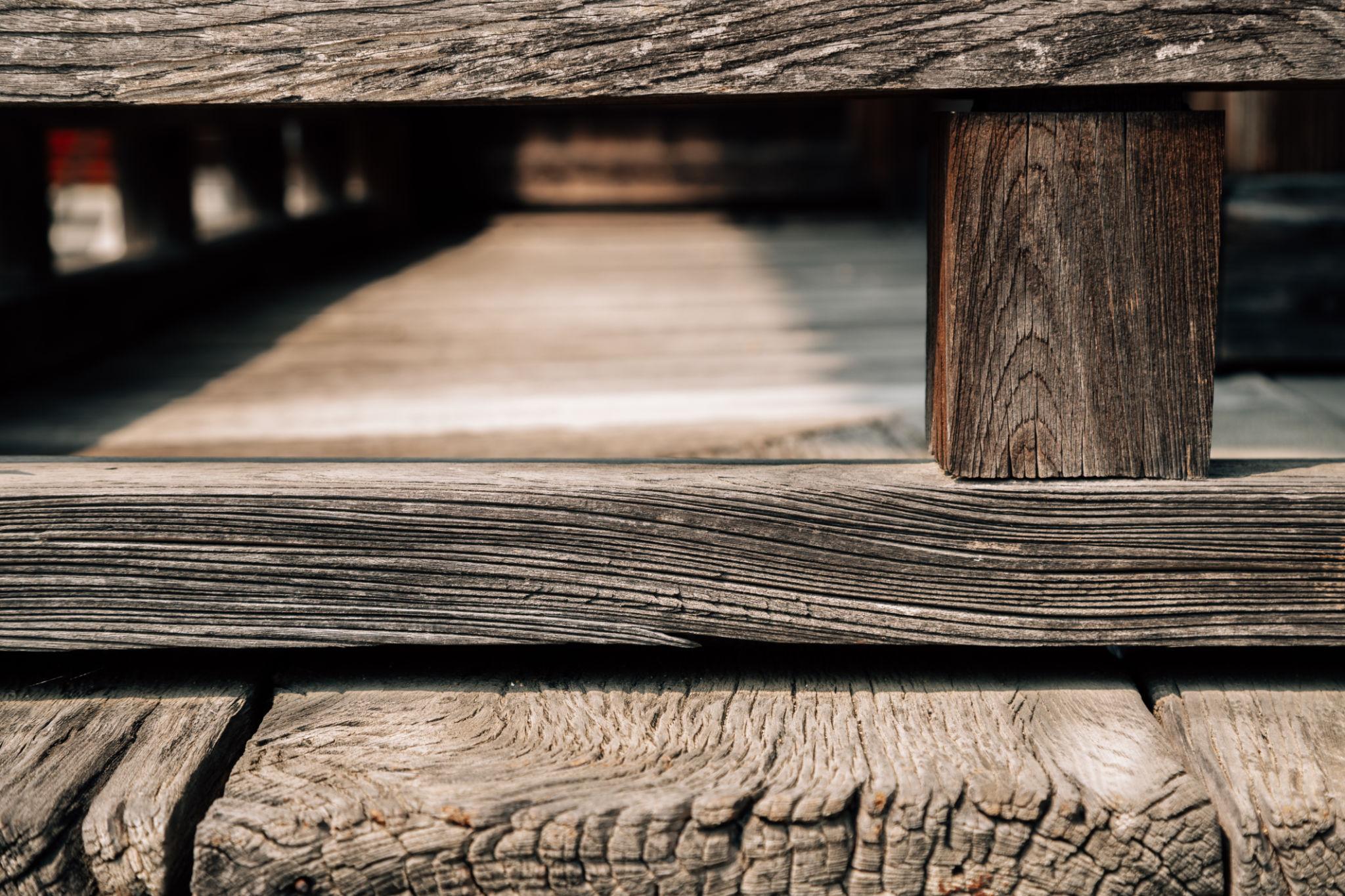 Japanese old temple, traditional wooden architecture detail
This naturally leads to 経年美化 Keinen Bika: Beauty Through Aging, the idea that beauty deepens with age. In Japan, materials are not expected to remain unchanged. Wood darkens, paper softens, and textiles fade in a way that harmonizes with their surroundings. A handmade rug follows this same path. Its colors gain depth, its fibers relax, and its presence becomes more integrated within a space. What emerges over time is not deterioration, but refinement—a quieter, more settled form of beauty that cannot be rushed or artificially produced.
In contemporary interiors, particularly in cities like Tokyo, where precision and minimalism often define space, this becomes especially meaningful. Clean lines and controlled compositions can create environments that are visually refined, yet emotionally distant. A handmade rug introduces a different quality—something softer, more human. It does not disrupt the space, but it prevents it from becoming sterile. It adds depth without excess, and presence without noise.
To understand the value of a handmade rug, then, is not simply to evaluate its materials or craftsmanship. It is to recognize a different philosophy of beauty—one that does not seek perfection, but accepts variation, time, and use as essential elements. A handmade rug is not fixed; it evolves. It records the passage of time, reflects the touch of those who live with it, and carries within it both the intention of the maker and the life of its owner.
In a world increasingly shaped by uniformity and control, the handwoven rugs offer something quieter, but more enduring: an acceptance of what is not perfect, and an appreciation of what is real.
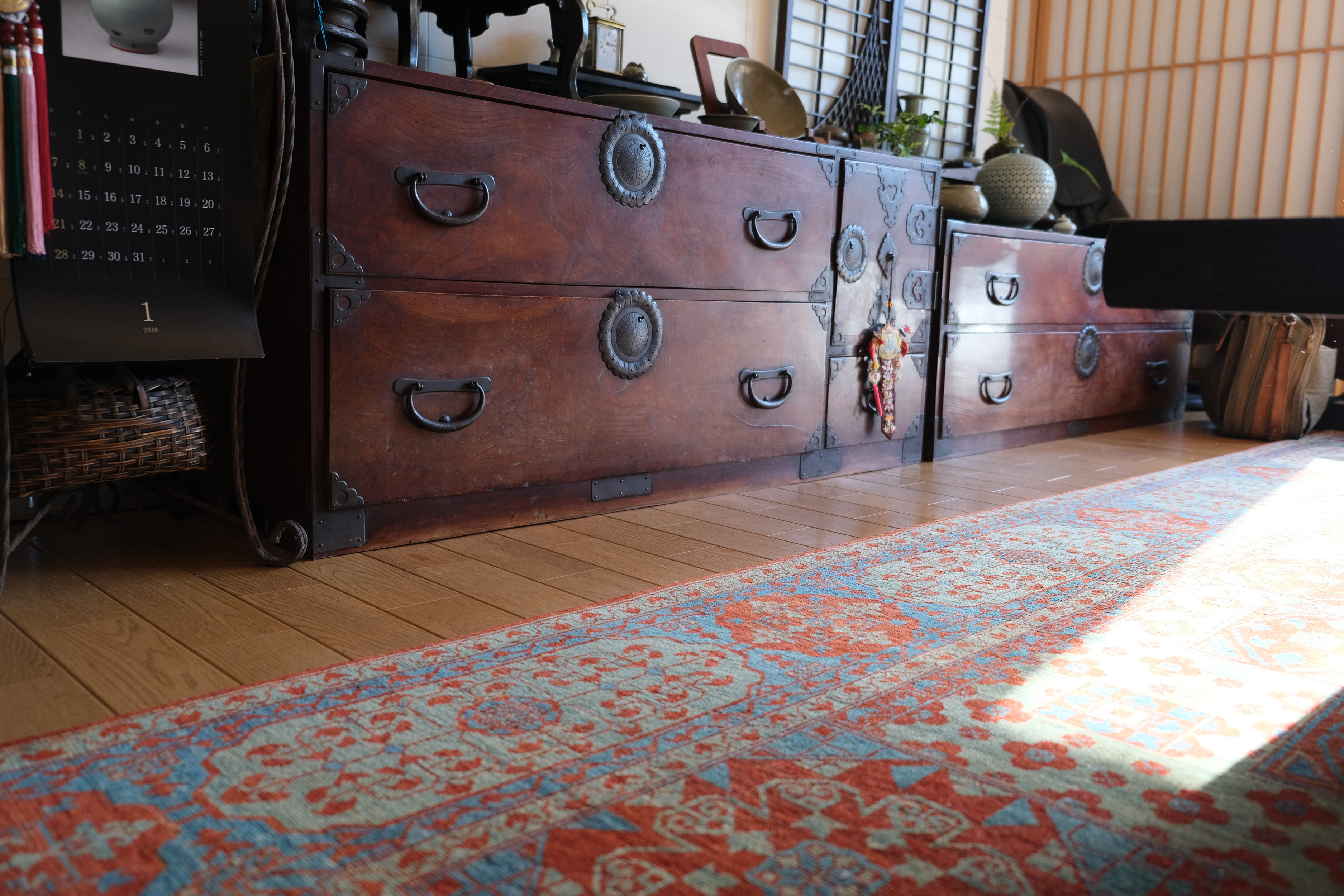 Mamluk rug in a traditional Japanese interior